Four Minus Three wins Cairo Film Festival's Golden Pyramid; Egypt's Al Baraneya takes Bronze
The 47th Cairo International Film Festival closed on Friday night at the Opera House with the Golden Pyramid for Austria's Four Minus Three, the Bronze Pyramid for Egyptian director Ashgan El-Hamus's Al Baraneya and the audience award for Ahmad Abdalla's BerleeN_.
Cairo Opera House, Zamalek
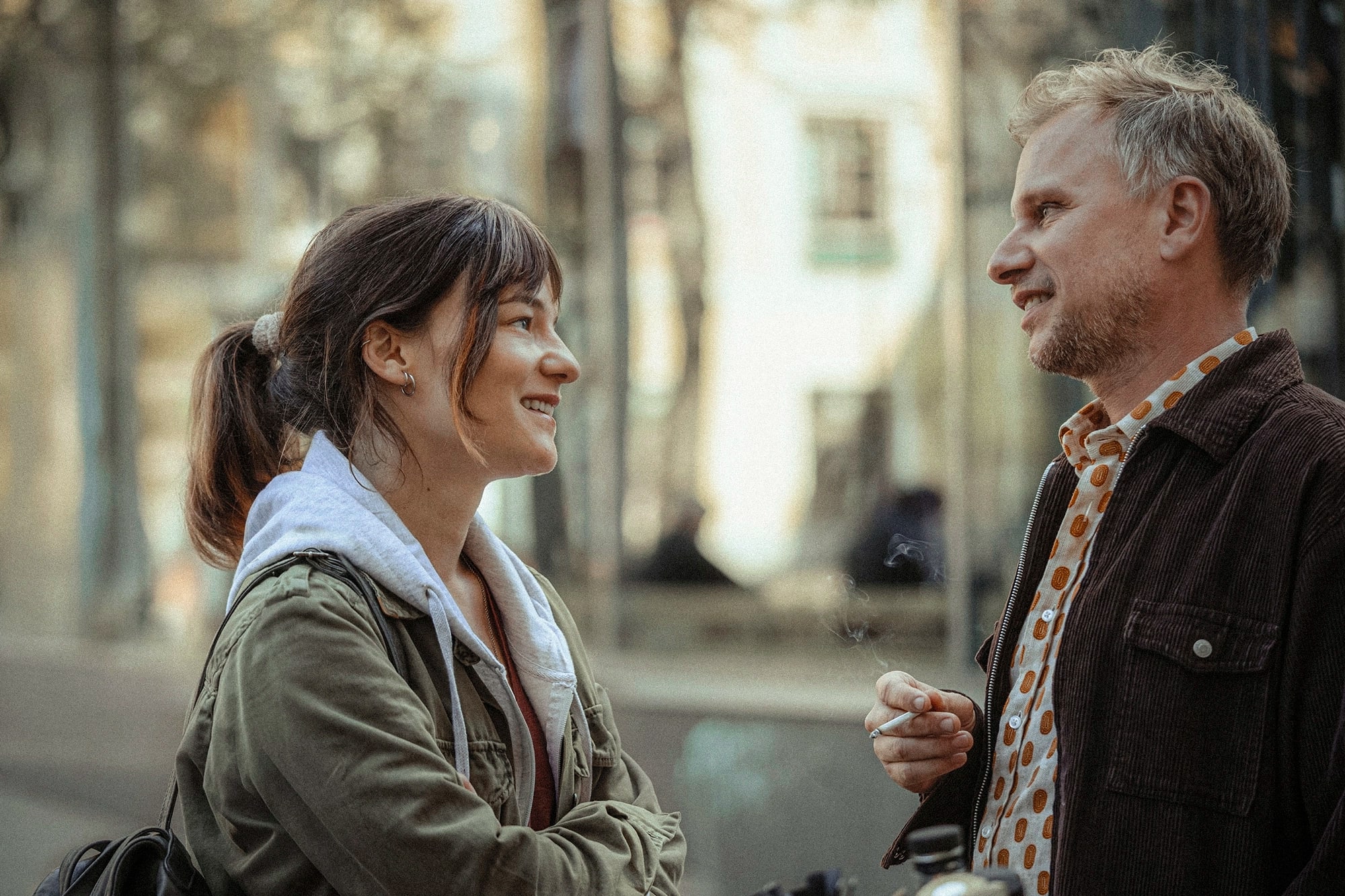
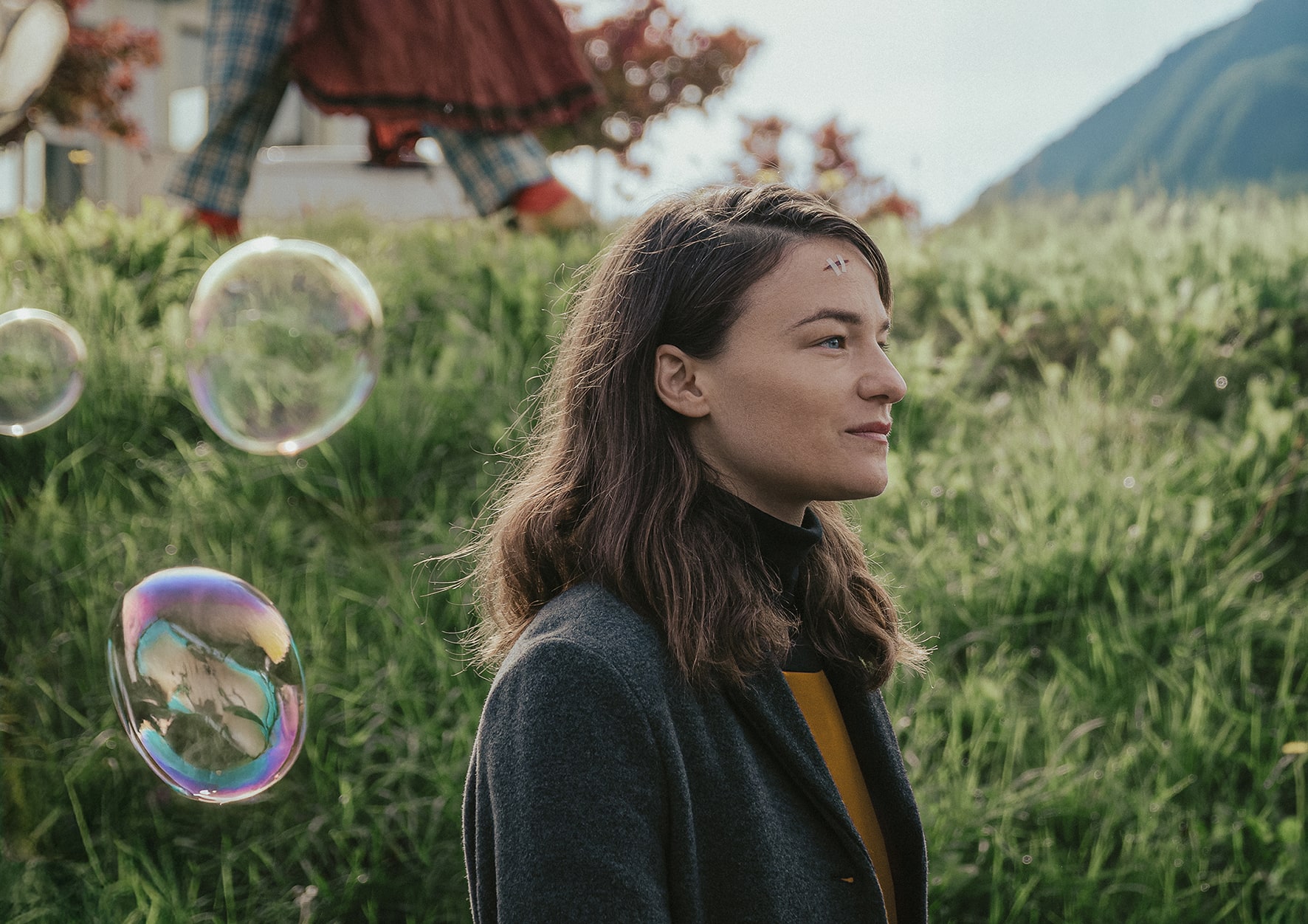
The Cairo International Film Festival handed out its prizes on Friday night, and the top one went to Austria. Four Minus Three, Adrian Goiginger's drama about a professional clown trying to find a reason to go on after losing her family in a car accident, won the Golden Pyramid for best film at the closing ceremony at the Cairo Opera House, ending the festival's 47th edition after ten days.
It was the night's biggest winner. Valerie Pachner, who plays the clown, was named best actress, and Robert Stadlober won best supporting actor, giving the Austrian-German film three awards in all. The Silver Pyramid for best director went to France's Rudi Rosenberg for Words of Love.
Egypt had its own moments on stage. Ashgan El-Hamus won the Bronze Pyramid, the special jury prize of the international competition, for Al Baraneya, and Ahmad Abdalla's BerleeN_ took the Youssef Cherif Rizkallah Audience Award, the prize decided by the people who bought tickets. In the Horizons of Arab Cinema section, Sara Shazli's Your Daughter won the special jury prize. The festival also gave its Golden Pyramid for lifetime achievement to the veteran Egyptian cinematographer Said Shimi at the closing ceremony, after Matteo Garrone and the jury president, Nabil Ayouch, received the same honour on the opening night.
The rest of the list leaned towards the Arab world and Europe. Lebanese director Rania Rafei's The Day of Wrath: Tales from Tripoli was named best Arab film and best documentary. Summer Meadow, by Naël Khleifi and Lisa Debauche, won best Arab feature, with Manal Issa named for the best acting performance in the section and the film sharing the creative achievement prize with Mohamed Zineddaine's Until Dawn. Laïla Marrakchi and Delphine Agut won best screenplay for Strawberries, and Teodora Ana Mihai's Heysel 85 took both the Henry Barakat Award for artistic contribution, for its cinematography and production design, and the international critics' prize. In Critics' Week, Argentina's The River Train was best film, and Lenti Liang's Our Secrets was best short.
This was a landmark edition: the festival was founded in 1976, so this year marked 50 years. It showed 145 films from 64 countries, 17 of them world premieres, and the festival's president, Hussein Fahmy, said it sold 53,000 tickets, up from about 45,000 last year. Screenings ran across the Opera House grounds in Zamalek and cinemas in the city, with many sold out in the final days.
If you missed it, the Opera House is giving the winners another few nights. Its calendar lists a screening of the Golden Pyramid winner in the Main Hall on Saturday 21 November at 8pm, and screenings of the award-winning films in the Small Hall every night at 8pm from Saturday 21 to Wednesday 25 November. The Opera House has not published which film plays on which night or the ticket prices, so check its website or its pages on social media on the day, and buy at the box office on the Opera House grounds in Zamalek. Films at the festival carry their own age ratings, so check before taking children. Many of the winners will also reach cinemas and streaming over the coming months; Egyptian titles such as Al Baraneya and BerleeN_ are the ones to watch for in local release.